How Healthcare Actually Works
Things Patients Are Rarely Told
When families enter the healthcare system during a serious diagnosis, most assume that once something serious is identified, the system automatically moves quickly and coordinates itself.
In reality, healthcare is not one system moving together. It is many separate processes happening at the same time. Understanding this early can make the experience less confusing and help families know when to ask questions or follow up.
This section is not about blaming individuals. Most healthcare professionals are working hard within complicated systems. But there are realities about how care moves that patients are rarely told.
Healthcare Moves in Separate Tracks
Medical decisions, scheduling, insurance approval, referrals, imaging, and documentation are often handled by different departments that do not move at the same speed.
A doctor may believe something is urgent, but unless that urgency is clearly documented and communicated through administrative channels, the system may still move routinely.
This is why:
testing can be completed quickly but reviewed later
referrals can sit waiting for processing
appointments are scheduled based on availability rather than urgency
families feel like no one is coordinating the full picture
Often, no one person sees every step at once.
Administrative Details Often Control Timelines
Many delays are not medical decisions. They are administrative ones.
Coding, paperwork, referral submission, and insurance language determine whether something moves forward or stops. A request can be medically appropriate and still delayed if it is submitted incorrectly or missing required documentation.
This is why:
insurance denials are often reversed after resubmission
referrals need follow-up
paperwork errors change timelines
It can feel personal, but often it is process.
Urgency Is Not Always Visible Inside the System
Patients and families experience urgency emotionally and physically. The system experiences urgency through documentation.
If worsening symptoms or concerns are not clearly communicated and updated in records, scheduling systems may not reflect how urgent something feels to the patient.
This is why calling back when things change matters. It is not complaining — it is updating the system with new information.
Geography Affects Access More Than People Realize
Healthcare quality is not only about whether care exists. It is also about experience, subspecialization, and access to research or clinical trials.
Smaller systems may provide excellent standard care but may not have:
the same volume of complex cases
the same subspecialty focus
access to emerging treatments or trials
Seeking a second opinion at a larger center is common for complex diagnoses and does not mean local care is inadequate. It means gathering information so decisions are made with full awareness of available options.
Families Often Become the Coordinator
Many people assume that records, referrals, and communication automatically move between offices. In reality, coordination often falls partly on patients and families.
This can mean:
requesting records yourself
confirming referrals were sent
making sure results were received
following up between appointments
This responsibility can feel unfair, but understanding it early helps prevent delays later.
Why Understanding This Matter
When families understand how healthcare actually works, frustration often turns into clarity.
Advocacy becomes less about pushing harder and more about asking the right questions at the right time. Movement happens because information is clear and communication stays active.
The goal is not to fight the system.
The goal is to understand it well enough that nothing important gets missed.
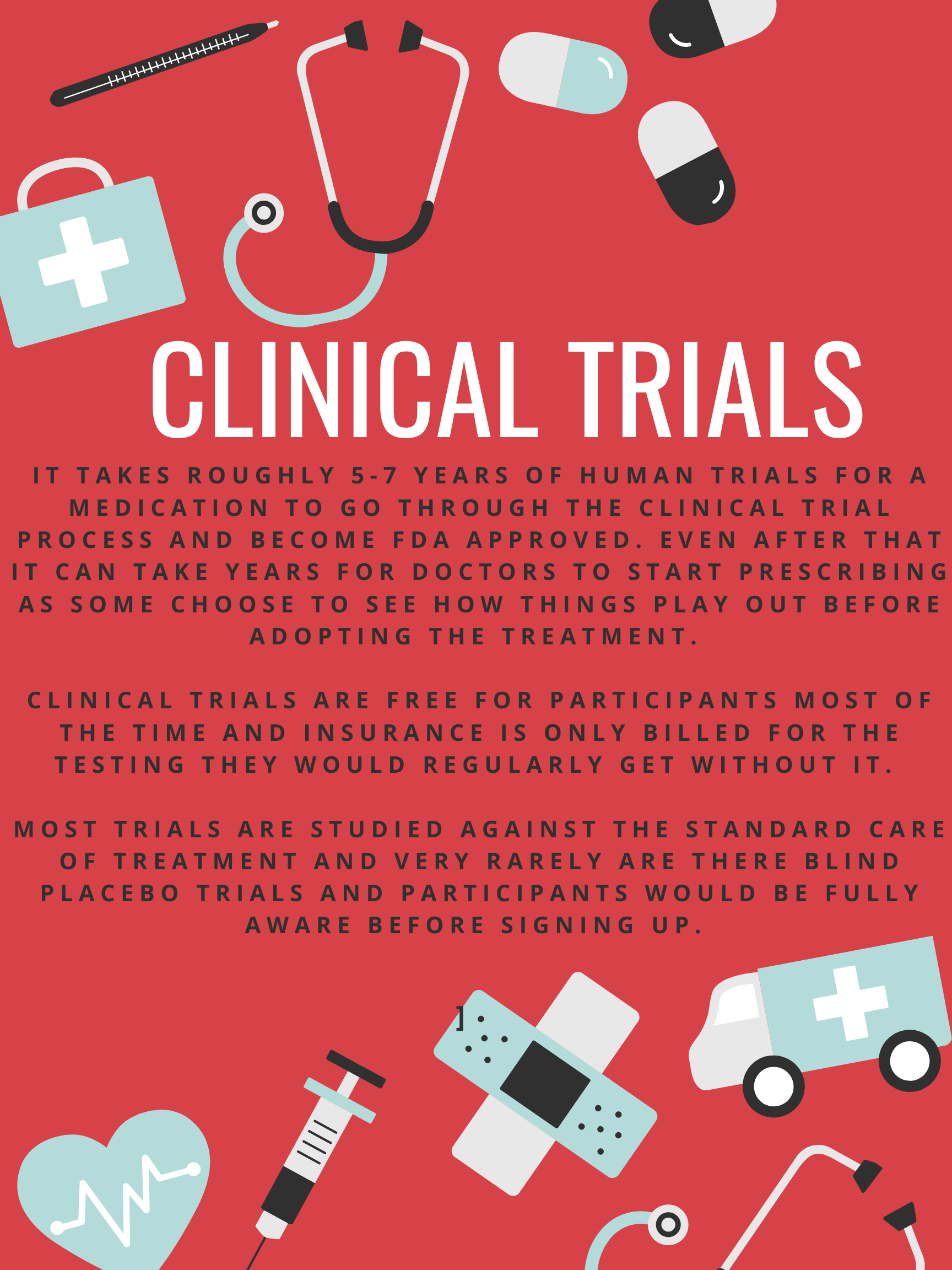
Clinical trials are often misunderstood, and many patients are not told how long it actually takes for new treatments to become widely available. From early research through FDA approval, it can take five to seven years or longer for a medication to move through the clinical trial process, and even after approval, it may take additional time before new treatments are adopted routinely as some physicians and institutions wait to see longer-term outcomes before incorporating them into standard practice. Because larger academic and research hospitals often participate directly in clinical trials, they may have access to newer therapies or treatment approaches years before they become widely available elsewhere, which is one reason some families seek consultation at these centers even if they continue care locally. It is also important to understand that participating in a clinical trial does not mean being treated like a test subject or receiving no treatment. By the time most patients are eligible for a trial, earlier phases of research have already been completed and there is reason to believe the treatment may be effective. Many cancer trials compare a new medication in addition to standard treatment or evaluate different combinations or approaches, and patients commonly continue to receive at least the current standard of care. Fully placebo-only trials are uncommon in situations where effective treatment already exists, and participation is always voluntary with detailed information provided beforehand. Understanding how clinical trials work helps remove unnecessary fear and allows patients and families to consider them as one possible option while recognizing that access to these opportunities can sometimes depend on geography and proximity to research centers, and that having this understanding early can help families make decisions with more clarity and confidence.
CLINICAL TRIALS